Product Biologische Laborverbrauchsmaterialien Zellkultur CellDETACH™ temperaturabhängig Zellkulturoberfläche
描述多图.jpg
01.jpg
企业微信截图_20220906170607.png
企业微信截图_20220906170642.png

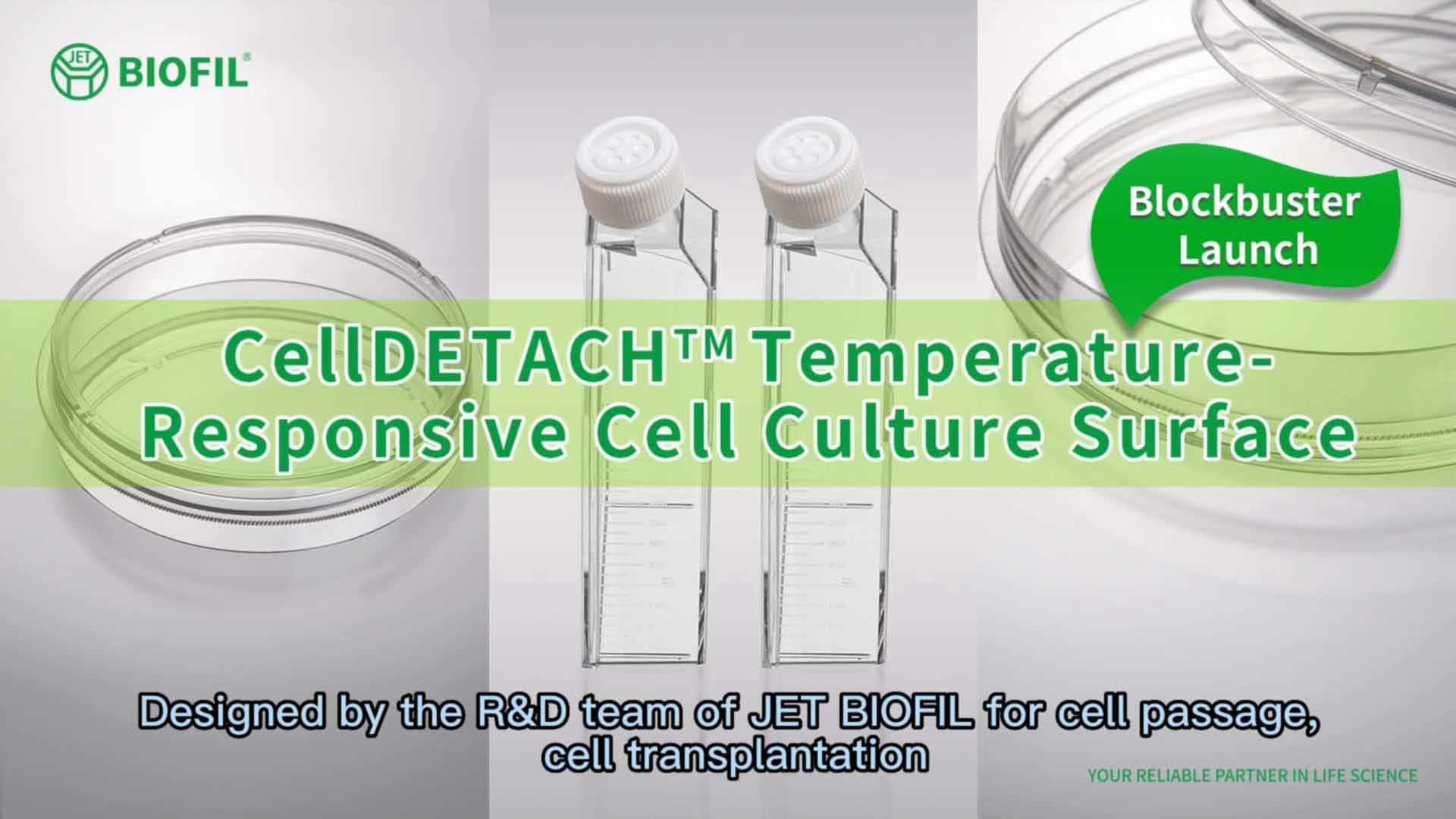
CellDETACH™ temperaturabhängig Zellkulturoberfläche

Produkte:
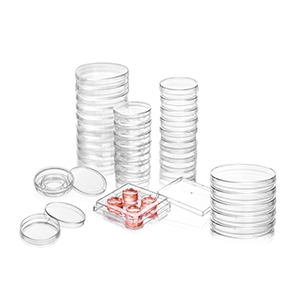
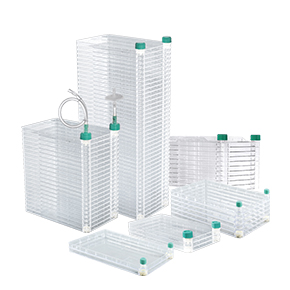
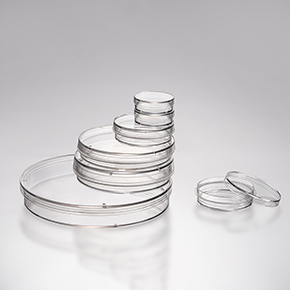
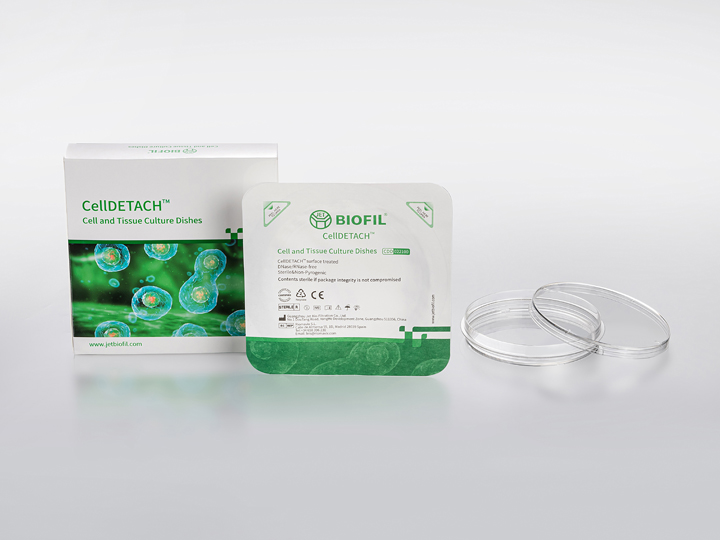
CellDETACH™ Thermoempfindliche Zellkulturschalen: 100 mm
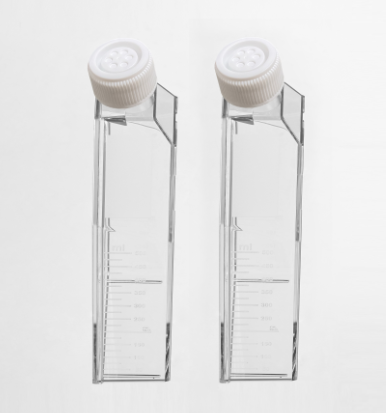
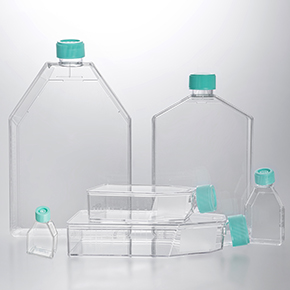
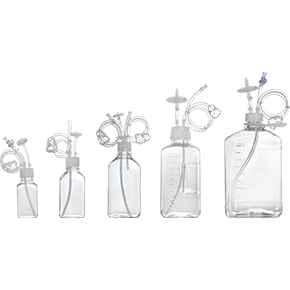
CellDETACH™ Thermoempfindliche Zellkulturflaschen: T182 Erweitert


Angebot anfordern
Einleitung
Produktinformationen
Bestellinformationen
FAQ
Empfohlene Produkte

Einleitung

Produktinformationen

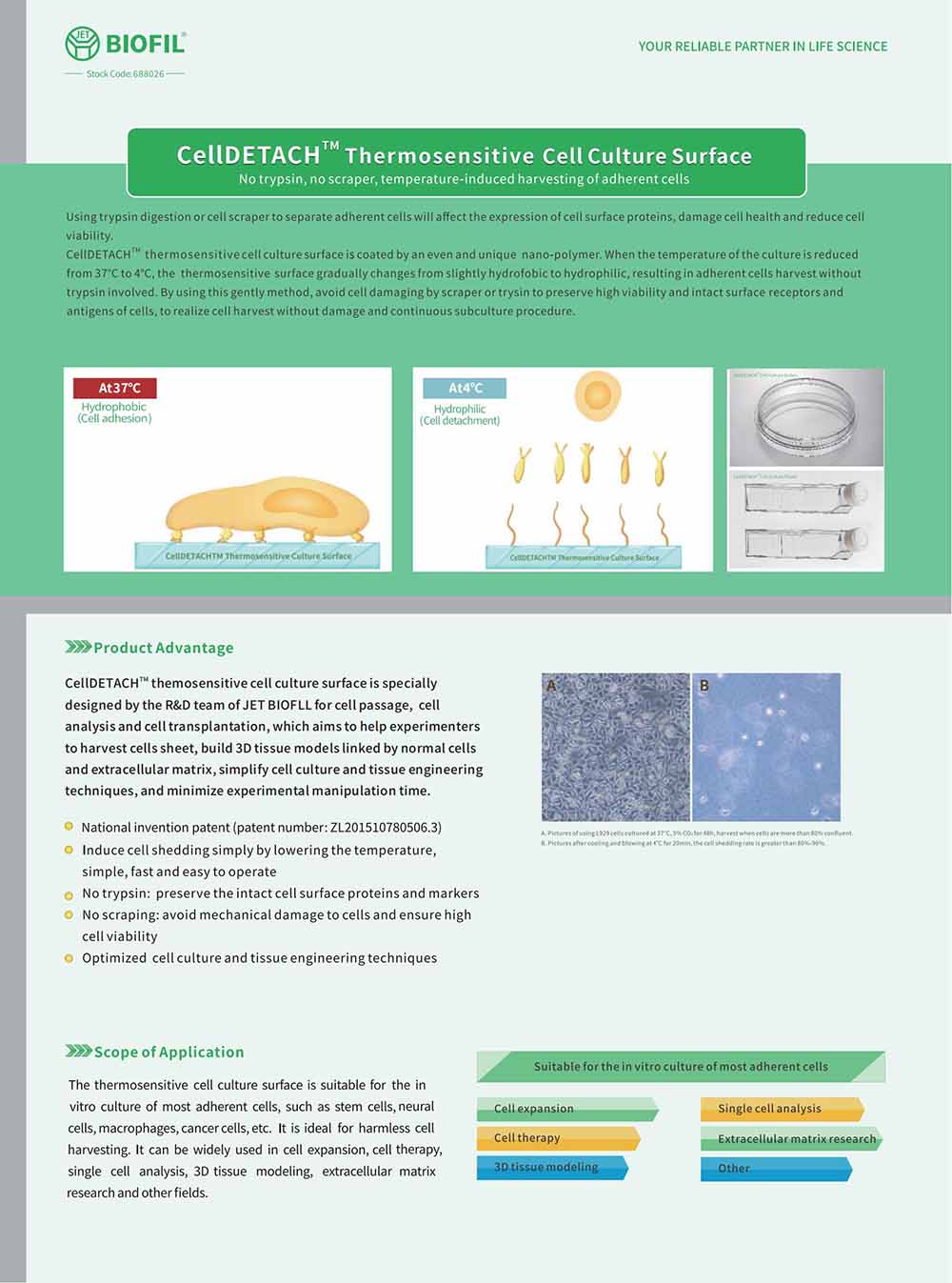
Die Verwendung von Trypsin-Verdau oder Zellkratzern zur Trennung von adhärenten Zellen kann die Expression von Zelloberflächenproteinen beeinflussen, Zellen beschädigen und die Zelllebensfähigkeit verringern
CellDETACH™ Produkte haben eine thermoempfindliche Oberfläche, die mit einem einzigartigen Nanopolymer beschichtet ist. Wenn die Temperatur von 37 °C auf 4 °C sinkt, ändert sich die thermoempfindliche Oberfläche allmählich von leicht hydrophob zu hydrophil, wodurch sich adhärente Zellen ohne Trypsin gewinnen lassen. Durch diese schonende Entnahmemethode sind die Zellen vor Verletzungen durch Trypsin oder Schaber sicher und erhalten so eine hohe Lebensfähigkeit und die Integrität von Oberflächenrezeptoren und Zellantigenen. Mit diesem Vorgang können Zellen ohne Beschädigung für die Subkultivierung geerntet werden.
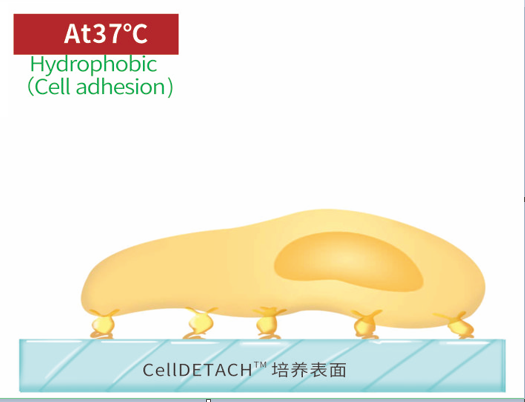
Bei 37 °C ist die wärmeempfindliche Polymerbeschichtung leicht  gewellt und geringfügig hydrophob, was die Zellhaftung fördert

Bei 37 °C ist die wärmeempfindliche Polymerbeschichtung leicht gewellt und geringfügig hydrophob, was die Zellhaftung fördert

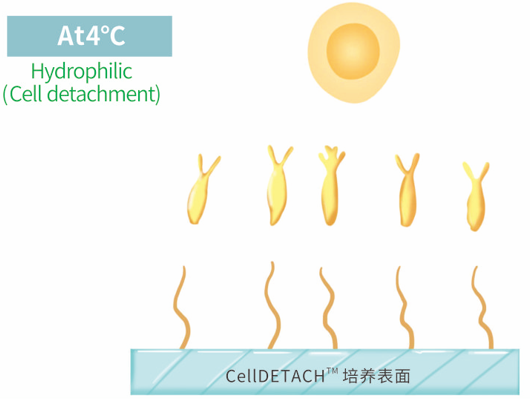
Bei 4 °C verwandelt sich die thermoempfindliche  Polymerbeschichtung in einen gedehnten Zustand und ist  hydrophil, wodurch sie sich hervorragend für die schonende  Ablösung von adhärenten Zellen eignet

Bei 4 °C verwandelt sich die thermoempfindliche Polymerbeschichtung in einen gedehnten Zustand und ist hydrophil, wodurch sie sich hervorragend für die schonende Ablösung von adhärenten Zellen eignet

Eigenschaften

* Nationales Erfindungspatent (Patentnummer: ZL201510780506.3)
* Führt zu Zellausscheidung durch einfaches Absenken der Temperatur – einfach, schnell und einfach zu bedienen
* Kein Trypsin: Bewahrt Zelloberflächenproteine und Markerintegrität
* Kein Zellenkratzen: Verhindert mechanische Schäden an Zellen und gewährleistet eine hohe Zelllebensfähigkeit
* Optimierte Zellkultur- und Gewebezüchtungsverfahren

Anwendungsbereich
Zellkulturoberfläche eignet sich für die In-vitro-Kultur der meisten adhärenten Zellen, einschließlich Stammzellen, Nervenzellen, Makrophagen und Krebszellen. Sie ist ideal für die Gewinnung harmloser Zellen und kann in erweiterten Zellkulturen, Zelltherapie, 3D-Gewebemodellierung, extrazellulärer Matrixforschung und anderen Bereichen weit verbreitet eingesetzt werden.

Gebrauchsanweisung
In-vitro-Zellkultur
* Wenn die Temperatur über 32 °C liegt, befindet sich die wärmeempfindliche Polymerbeschichtung auf der Oberfläche der CellDETACH™-Produkte in einem gekräuselten Polymerzustand und weist eine leichte Hydrophobie auf. Daher erleichtert das Vorwärmen des Kulturmediums und des Produkts auf 37 °C die Zellanhaftung und das Zellwachstum.
* Wenn die Temperatur unter 32 °C fällt, befindet sich die wärmeempfindliche Polymerbeschichtung auf der Oberfläche in einem gestreckten Polymerzustand, bindet Wassermoleküle, dehnt sich aus und weist Hydrophilie auf. Dies erleichtert die Ablösung adhärenter Zellen. Die Ablösungseffizienz ist am besten, wenn die Temperatur unter 4 °C fällt.
* Wenn die Temperatur der wärmeempfindlichen Zellkulturoberfläche unter 32 °C fällt, kann eine übermäßige Störung zur Zellablösung führen. Verbringen Sie daher während der Zellkultur nicht zu viel Zeit mit dem Fotografieren und Beobachten.
Zellernte
* Die beste Ernte wird erzielt, wenn die Konfluenz der Zellen über 80 % liegt.
* Bei der Zellernte erleichtert die Senkung der Umgebungstemperatur auf 4 °C den Abkühlungsprozess und die Zellablösung (z. B. durch Platzieren der CellDETACH™-Produkte in einem sterilen Inkubator bei 4 °C oder durch Ersetzen des Kulturmediums durch ein 4 °C warmes Medium).
* Wenn die Temperatur der wärmeempfindlichen Zellkulturoberfläche auf 4 °C sinkt, halten Sie diesen Zustand 20 ~ 30 Minuten aufrecht, saugen Sie dann das Kulturmedium über der wärmeempfindlichen Zellkulturoberfläche mit einer Pipette (Zellkulturschale), einer Pipette oder einem Pipettenregler (Zellkulturflasche mit 250 ml oder mehr) ab und blasen Sie über die adhärenten Zellen, um sie abzulösen. Während des Blasvorgangs kann beobachtet werden, wie sich die Zellschicht von der wärmeempfindlichen Zellkulturoberfläche ablöst.
* Die wärmeempfindliche Ablösbarkeit von Zellen hängt von ihrem Typ ab, und einige Zellen mit starker Adhäsionsfähigkeit erfordern möglicherweise mehrere Blasvorgänge. (Im Allgemeinen gelten Zellen, die bei 37 °C mit 0,25 % frischem Trypsin länger als 3 Minuten verdaut werden, als Zellen mit starker Adhäsionsfähigkeit).

Lagerung und Transport
* Dieses Produkt sollte nicht über längere Zeit direktem Sonnenlicht oder übermäßiger Hitze ausgesetzt werden, kann aber bei Raumtemperatur gelagert und transportiert werden.

Material

* Flask/Plate/Dish Body: Polystyrene (PS)
* Flask Cap: High-density Polyethylene (HDPE)
* Filter Membrane: Polytetrafluoroethylene (PTFE)
* Conforming to USP Class VI standards

Produktinformationen

CellDETACH<sup>™</sup> temperaturabhängig Zellkulturoberfläche

Broschüre

CellDETACH™ temperaturabhängig Zellkulturoberfläche

Datei-Download
CellDETACH<sup>™</sup> temperaturabhängig Zellkulturoberfläche
Jet Biofil DE Katalog 2024

Katalog

Jet Biofil DE Katalog 2024

Datei-Download

Bestellinformationen

Zellkulturschalen
Kat. Nr. Durchmesser (mm) Steril Ungefähre Zellwachstumsfläche(cm²) packung
Anz. pro
packung(Blister)
Anz. pro Karton
CDD022100 100 J 60.8 Blister 1 24
CDD023100 100 J 60.8 Verpackung 5 100

Zellkulturflaschen
Kat. Nr. volumen
(mL)
Ungefähre Zellwachstumsfläche(cm2) Empfohlenes Arbeitsvolumen(mL) Maximales Arbeitsvolumen(mL) Kappentyp Ausmaße(mm) Steril Anz. pro Beutel Anz. pro Karton
L B H B.N.D*
CDF024600 600 182
(Erweitert)
36.4-54.6 200 Entlüftung 219.3 115.8 49.5 29.5 J 1 20
CDF023600 600 182
(Erweitert)
36.4-54.6 200 Entlüftung 219.3 115.8 49.5 29.5 J 5 40
CDF014600 600 182
(Erweitert)
36.4-54.6 200 Verschlussstopfen 219.3 115.8 49.5 29.5 J 1 20
CDF013600 600 182
(Erweitert)
36.4-54.6 200 Verschlussstopfen 219.3 115.8 49.5 29.5 J 5 40
*Bottle Neck Diameter

FAQ

FAQ about cell culture plates/bottles/dishes

* What does TC-treated in the product name mean?

TC-treated means that Tissue Cultured is used to treat the surface. By means of corona discharge or gas plasma, Jet Biofil can improve the hydrophilicity of polystyrene (PS) surface, improve the adhesion of proteins needed for cell adhesion, and thus help cells adhere to the wall.


* Which surface should I use to culture suspension cells?

The suspension cells do not have the need for cell adhesion, and generally the culture supplies for untreated surface can be used. TC-treated surface can also culture suspension cells, but according to the state and type of cells, some cells may appear adhesion phenomenon.


* If I want to coat extracellular matrix myself, what kind of surface should I use?

You can choose the culture vessel with untreated surface to coat the extracellular matrix by yourself. Of course, in this case, vessels with TC-treated surface can also be used


* How to use the cell culture bottle with a sealed cap? What are the differences between the use of cell culture bottles with filter membrane caps?

Cell culture bottles with sealed caps provide a closed cell culture environment. If it is needs to connect with the air in the incubator, it is necessary to slightly loosen the cap after the bottle is put into the incubator to allow air to enter. Similarly, when taking out the bottle, tighten the cap first and then take it out. The cap with the filter membrane itself has the function of breathable, and the filter membrane can prevent microbial contamination. Therefore, the cap of the culture bottle can be directly tightened and put into the incubator during use, but it needs to be noted that the filter membrane on the cap cannot be wet, wet filter membrane cannot ensure the passage of gas.


* What does T25, T175 mean that I often hear?

Taking T25 as an example, it refers to a cell culture bottle with a growth surface area of 25 cm2. According to the type of bottle cap and different culture surfaces, different article numbers correspond to different products.


* I bought the product with article number xxxxxx. What is its growth area? How much medium should I add to culture my cells?

We recommend using 0.2-0.3mL/cm2 of medium


* The cell culture bottle/dish I bought is not vacuum packed. The bag looks loose. Is there a quality problem?

The cell culture supplies of Jet Biofil are not vacuum packed, and are only manually aspirated for convenient transportation, so there will be differences. In addition, the temperature and air pressure in different regions will also affect the tightness of the packaging. If there is no air leakage in the package and the cap does not fall off from the product, it will not affect the sterility of the product and the quality of the product. Please feel relieved the use. If the package is damaged or the air leaks or the cover falls off from the product, please take a photo and submit a complaint through your dealer. At the same time, please pay attention to provide a photo of the outer box of the product. When you receive the goods, please carefully confirm whether the outer box is damaged or deformed.


* I can’t use up a package of culture supplies in one experiment. How should I preserve it?

We cannot guarantee the sterility of the product after opening. We suggest that you store it in a sterile environment, control the temperature and humidity of the environment, and avoid the storage under light/ultraviolet irradiation.


* I used the culture bottle/dish/plate of Jet Biofil, and the cells did not adhere to the wall. Is it a product quality problem?

There are many factors that lead to non-adherent cells, such as culture medium composition and pH value, culture environment, digestion operation, cell type, cell passage, etc. If you use the same product with the same article number to culture the same cell strain for a long time, and the cells adhere normally before, but do not adhere to the wall now, it is recommended that you timely record the batch number of the products used in both cases, and conduct repeated parallel experiments, that is, use cells from the same source to spread on the supplies of these two batches for culture (pay attention to using the culture medium from the same source). Culture in the same incubator to determine the main reason why cells do not adhere to the wall.


* The color of the culture bottle/dish/plate I bought this time is more yellow than that of last time. Is it a product quality problem?

It is normal that plastic consumables of different batches may turn yellow after irradiation sterilization.


FAQ

Empfohlene Produkte

Return to Previous Page